Why a Liquid Fertilizer Program is Better Than a Dry Fertilizer Program for High-Yield Crops
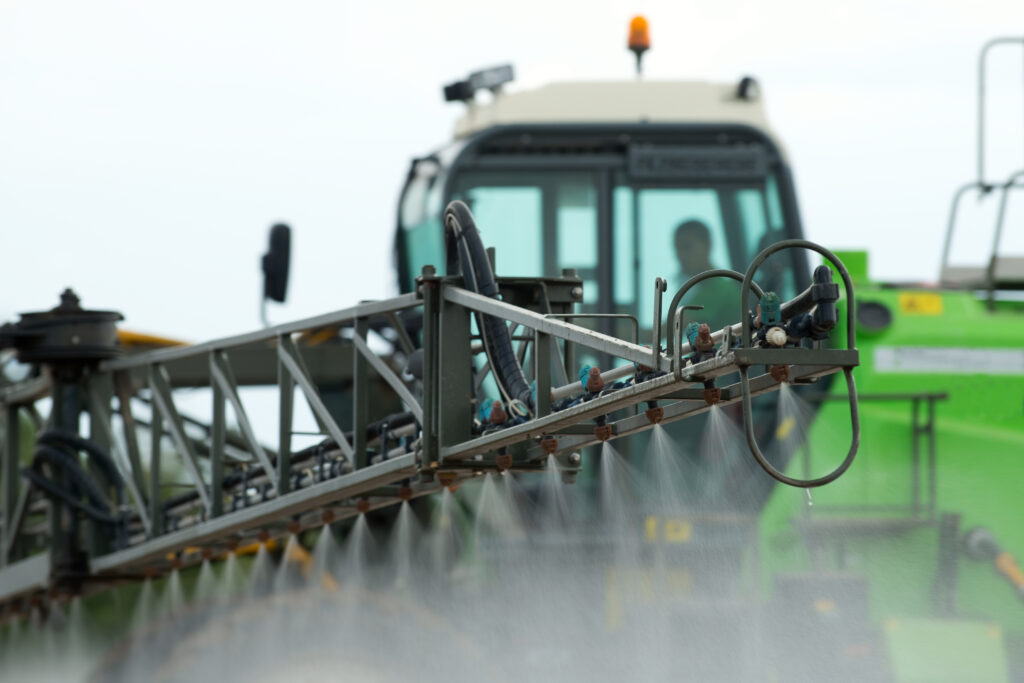
Agriculture has long relied on fertilizers to enhance soil fertility and boost crop yields. Traditionally, dry fertilizers have been the norm, but liquid fertilizers are increasingly being recognized for their superior benefits, particularly for high-yield crops. This article explores eight key points that demonstrate why a liquid fertilizer program is more advantageous than a dry fertilizer program.
1. Enhanced Nutrient Uptake
Liquid fertilizers offer better nutrient uptake compared to dry fertilizers. This is primarily due to their ability to be applied directly to the root zone or foliage, ensuring immediate availability of nutrients to plants. Liquid fertilizers can penetrate the soil quickly and reach the root system more efficiently, leading to faster and more effective nutrient absorption. This rapid uptake is crucial for high-yield crops that demand consistent and readily available nutrients to support their accelerated growth and development.
2. Precision in Application
One of the significant advantages of liquid fertilizers is the precision with which they can be applied. Using advanced application technologies such as fertigation (the process of injecting fertilizers through irrigation systems), farmers can deliver the exact amount of nutrients required at specific growth stages of the crops. This precision minimizes nutrient wastage and environmental impact while maximizing crop productivity. High-yield crops, which require tailored nutrient management, greatly benefit from this precise application method.
3. Uniform Distribution
Liquid fertilizers ensure uniform distribution of nutrients across the entire field. Unlike dry fertilizers, which can sometimes clump together or be unevenly spread, liquid fertilizers mix thoroughly with water and distribute evenly when applied. This uniformity is essential for high-yield crops to ensure that all plants receive equal nutrition, promoting consistent growth and maximizing overall yield. Uneven nutrient distribution can lead to patchy growth and lower productivity, issues that are mitigated with liquid fertilizers.
4. Compatibility with Modern Irrigation Systems
Modern irrigation systems, such as drip and sprinkler systems, are highly compatible with liquid fertilizers. These systems allow for the simultaneous application of water and nutrients directly to the plant roots, enhancing nutrient use efficiency. High-yield crops often require sophisticated irrigation techniques to maintain optimal soil moisture and nutrient levels. The integration of liquid fertilizers with these irrigation systems ensures that crops receive a continuous supply of essential nutrients, promoting vigorous growth and higher yields.
5. Flexibility and Ease of Use
Liquid fertilizers are easier to handle and apply compared to their dry counterparts. They can be easily mixed and applied with standard spraying equipment or through irrigation systems. This ease of use translates to labor and time savings for farmers. Additionally, liquid fertilizers can be quickly adjusted to address specific nutrient deficiencies or crop requirements, providing greater flexibility in nutrient management. For high-yield crops, which may require frequent adjustments in nutrient supply, this flexibility is particularly advantageous.
6. Enhanced Microbial Activity
Liquid fertilizers can enhance soil microbial activity, which is crucial for soil health and nutrient cycling. Many liquid fertilizers contain organic compounds and micronutrients that stimulate the growth and activity of beneficial soil microorganisms. These microorganisms play a vital role in decomposing organic matter, fixing nitrogen, and converting nutrients into forms that plants can readily absorb. Healthy microbial activity is essential for maintaining soil fertility and supporting the high nutrient demands of high-yield crops.
7. Reduction of Nutrient Losses
Nutrient losses through leaching, runoff, and volatilization are common issues with dry fertilizers. Liquid fertilizers, however, are less prone to these losses due to their application methods and rapid absorption by plants. When applied through irrigation systems, liquid fertilizers are delivered directly to the root zone, minimizing the risk of nutrient runoff. This efficient delivery system reduces the environmental impact and ensures that more nutrients are available for crop uptake. High-yield crops, which require precise nutrient management, benefit significantly from reduced nutrient losses.
8. Improved Soil Structure and Health
Long-term use of liquid fertilizers can improve soil structure and health. Some liquid fertilizers include additives that enhance soil porosity and water-holding capacity, promoting better root development and overall plant health. Additionally, the consistent application of liquid fertilizers can help maintain optimal soil pH levels and reduce soil compaction, creating a more favorable environment for high-yield crops. Improved soil structure leads to better root penetration and nutrient uptake, which are critical for maximizing crop yields.
Conclusion
The benefits of liquid fertilizers over dry fertilizers for high-yield crops are clear. Enhanced nutrient uptake, precise application, uniform distribution, compatibility with modern irrigation systems, ease of use, stimulation of microbial activity, reduced nutrient losses, and improved soil health all contribute to the superiority of liquid fertilizer programs. For farmers aiming to achieve high yields and sustainable agricultural practices, liquid fertilizers offer a more efficient and effective solution.
Talk to your Monty’s representative about Monty’s products and programs and learn how we can help keep you on track to your highest ROI.
References
1. **University of California Agriculture and Natural Resources**. (n.d.). Fertilization Management. Retrieved from [UCANR](https://ucanr.edu/)
2. **International Plant Nutrition Institute**. (2017). Liquid vs. Dry Fertilizers: Pros and Cons. Retrieved from [IPNI](http://www.ipni.net)
3. **American Society of Agronomy**. (2019). Fertilizer Use and Management. Retrieved from [Agronomy.org](https://www.agronomy.org)
4. **Agricultural Research Service, USDA**. (2020). Enhancing Nutrient Use Efficiency. Retrieved from [USDA ARS](https://www.ars.usda.gov)
5. **The Fertilizer Institute**. (2018). Best Practices for Fertilizer Application. Retrieved from [TFI](https://www.tfi.org)
6. **Soil Science Society of America**. (2016). Impact of Fertilizer Types on Soil Health. Retrieved from [SSSA](https://www.soils.org)
7. **International Fertilizer Association**. (2021). Advances in Liquid Fertilizer Technology. Retrieved from [IFA](https://www.fertilizer.org)8. **National Sustainable Agriculture Information Service**. (2019). Sustainable Fertilizer Practices. Retrieved from [ATTRA](https://attra.ncat.org)

 English
  Arabic
  Bengali
  Chinese
  French
  German
  Hindi
Hindi  Indonesian
  Portuguese
  Russian
  Spanish