Soil and Tissue Testing in Modern Agriculture: Insights for Smarter Nutrient Management, Higher Efficiency, and Improved Profitability

Introduction: The Importance of Soil and Tissue Testing
Modern agriculture is no longer driven by assumptions, tradition, or uniform input programs. The margin for error has narrowed. Fertility costs have increased. Weather volatility has intensified. Yield expectations continue to rise across corn, soybeans, wheat, and specialty crop systems throughout the continental United States.
In this environment, soil and tissue testing have moved from “recommended practices” to operational requirements for any grower focused on efficiency and profitability.
Soil testing defines the nutrient foundation of the field. Tissue testing reveals what the plant is actually doing with that foundation in real time. Together, they form a feedback system that turns fertility management from reactive guesswork into controlled, measurable decision-making.
Companies like Monty’s Plant Food have built their approach around this principle: nutrients are only as valuable as their availability, timing, and uptake efficiency. Liquid fertility programs, when paired with consistent soil and tissue analysis, allow growers to adjust in-season, correct deficiencies faster, and reduce wasted input spend.
This is not theory. It is operational agronomy.
Where to Begin: An Introduction Into Soil Testing
Soil testing is the starting point for nearly every effective fertility program. It defines the chemical environment in which crops grow and sets the baseline for all nutrient recommendations. A soil test answers three foundational questions:
- What nutrients are currently present?
- What nutrients are potentially available?
- What constraints are limiting uptake?
Without these answers, fertility programs rely on generalized assumptions that rarely match field variability.
Why Soil Testing Matters in Modern Agriculture
Across U.S. production systems, soil variability is now one of the most significant hidden cost drivers. Two acres in the same field can behave like completely different environments due to:
- Historical fertilizer placement
- pH stratification
- Organic matter variability
- Drainage differences
- Tillage history
Soil testing exposes this variability. It is the first step toward precision agriculture, variable rate fertility, and data-driven agronomy.
The Cost of Growing Without Soil Testing
Skipping soil testing does not eliminate cost—it redistributes it inefficiently. Common outcomes include:
- Over-application of fertilizer in high fertility zones
- Under-application in deficient zones
- Yield ceilings due to undiagnosed pH issues
- Reduced nitrogen efficiency
- Micronutrient imbalances that go undetected until yield loss occurs
Economic Impact Overview
| Scenario | Input Strategy | Result |
| No soil testing | Uniform fertilizer application | High waste, inconsistent yield |
| Annual soil testing | Adjusted nutrient planning | Improved ROI and yield stability |
| Soil + tissue integration | Dynamic in-season correction | Maximum efficiency and yield response |
The difference is not marginal. It compounds season after season.
What Soil Testing Measures
Soil testing evaluates the soil system across three core domains: chemical, physical, and biological properties.
Chemical Properties
Chemical analysis is the most widely used component of soil testing and includes:
- Soil pH
- Macronutrients (N, P, K)
- Secondary nutrients (Ca, Mg, S)
- Micronutrients (Zn, Mn, Fe, Cu, B)
- Cation exchange capacity (CEC)
- Base saturation ratios
These parameters determine nutrient availability and chemical balance in the root zone.
Physical Properties
Physical characteristics influence how nutrients move through the soil profile:
- Texture (sand, silt, clay composition)
- Compaction levels
- Water infiltration rate
- Drainage efficiency
- Aggregate stability
A nutrient-rich soil with poor structure will still underperform.
Biological Properties
Biological activity is increasingly recognized as a core fertility driver:
- Organic matter content
- Microbial biomass
- Residue decomposition rate
- Soil respiration activity
Biology governs nutrient cycling efficiency, particularly nitrogen and sulfur mineralization.
The Role of Soil Testing in Modern Farming Systems
Soil testing is no longer a static pre-season exercise. It is a decision-support tool embedded in precision agriculture systems.
Precision Agriculture Optimization
Soil test data feeds directly into:
- GPS-guided application maps
- Variable rate fertilizer prescriptions
- Zone management strategies
Input Optimization
Fertilizer is one of the largest input costs in row crop production. Soil testing reduces inefficiency by:
- Eliminating unnecessary applications
- Targeting deficient zones
- Improving nutrient use efficiency
Risk Management
Soil testing reduces agronomic uncertainty by identifying:
- pH limitations before planting
- Nutrient deficiencies before emergence
- Toxicity risks from over-application
Soil Testing Best Practices
Proper sampling technique determines the reliability of results. Poor sampling produces misleading data regardless of lab quality.
Number of Samples
General guideline:
- 1 composite sample per 10–20 acres (uniform fields)
- 1 composite per 2–5 acres (variable fields)
Sampling Depth
- Row crops: 0–6 inches standard
- Deep nitrate testing: 0–12 or 0–24 inches depending on crop and region
Sampling Patterns
Common methods:
- Zig-zag pattern (most widely used)
- Grid sampling (precision agriculture systems)
- Zone sampling (management zones)
Avoiding Contaminated Areas
Do NOT sample:
- Fence lines
- Manure piles
- Old burn areas
- Field edges
- Tire tracks or equipment lanes
Proper Handling
- Mix subsamples thoroughly
- Air dry if required
- Label clearly by field and zone
- Ship promptly to lab
Sampling Pattern Illustration
Field Boundary
+———————————–+
| X X X X X X X |
| X X X X X X |
| X X X X X X X |
| X X X X X X |
+———————————–+
X = Soil sampling points (zig-zag pattern)
Types of Soil Tests
Not all soil tests are designed for the same objective. Selecting the correct test type is critical.
Routine Fertility Test
Most common baseline test including:
- pH
- P, K levels
- Organic matter
- CEC
- Secondary nutrients
Used for annual fertility planning.
Complete Soil Health Test
More advanced analysis including:
- Biological activity indicators
- Aggregate stability
- Respiration metrics
- Expanded micronutrient profile
Often used in regenerative or long-term soil improvement systems.
Specialized Tests
Used for specific constraints:
- Nitrate testing (in-season nitrogen management)
- Salinity testing
- Sodicity evaluation
- Contamination or heavy metal screening
Soil Test Comparison Chart
| Test Type | Purpose | Frequency | Cost Level | 价值 |
| Routine fertility | Baseline nutrient planning | Annual | Low | High |
| Soil health test | System evaluation | 2–3 years | Medium-High | Very High |
| Specialized tests | Targeted diagnosis | As needed | Variable | Critical in problem fields |
点击 这里 to learn more about the different types of tests available.
Interpreting Soil Test Results
Soil test interpretation is where data becomes actionable agronomy.
Key Metrics
pH
Soil pH controls nutrient availability more than almost any other factor.
- Low pH (<5.5): limits calcium, magnesium, phosphorus availability
- High pH (>7.5): restricts micronutrients like zinc and iron
Nutrient Levels
Measured in pounds per acre or index values. Interpretation depends on:
- Crop type
- Yield goal
- Soil texture
Base Saturation
Represents the percentage of soil exchange sites occupied by key cations:
- Calcium
- 镁
- Potassium
- Hydrogen
Balancing ratios improves nutrient efficiency and soil structure.
Cation Exchange Capacity (CEC)
CEC measures the soil’s ability to hold nutrients.
- Low CEC soils (sandy): require more frequent, smaller nutrient applications
- High CEC soils (clay/organic rich): hold nutrients longer but may lock them up
Turning Data Into Action
Soil testing only creates value when translated into management decisions.
Fertility Planning
Key actions include:
- Lime application to correct pH
- Phosphorus and potassium build programs
- Micronutrient correction strategies
- Sulfur management in high-demand crops
Variable Rate Application
Precision fertility allows:
- Zone-based fertilizer prescriptions
- Reduced overlap and waste
- Improved yield consistency across field variability
Monty’s Plant Food liquid fertility systems are often used in-season to fine-tune these programs when soil conditions or crop uptake deviate from expectations.
Long-term Soil Building
Soil fertility is not static. It is a moving system influenced by management, crop rotation, and environmental conditions.
Organic Matter Changes
Organic matter is both a nutrient reservoir and a biological engine. Increases improve:
- Water retention
- Nutrient buffering
- Microbial activity
pH Shifts
pH changes occur gradually but have major impact:
- Acidification from nitrogen fertilizers
- Liming effects from calcium amendments
Nutrient Depletion or Buildup
Without testing:
- Potassium buildup in high-manure systems
- Phosphorus stratification in no-till systems
- Micronutrient depletion in intensive cropping systems
Frequency of Soil Testing
General Guidelines
- Standard recommendation: every 2–3 years per field
- High-value crops: annually
- Problem fields: every season
Early Planting Season
Used for:
- Fertility planning
- Lime application decisions
- Pre-plant fertilizer adjustments
In-Season
Less common for soil, but used for:
- Nitrate tracking
- Sulfur monitoring
End of Season
Used to:
- Evaluate nutrient removal
- Adjust long-term fertility plans
Economics of Soil Testing
Soil testing is one of the highest-return agronomic investments available.
Cost vs Return
Typical soil test cost:
- $10–$25 per sample (routine)
Potential return:
- 5–15% fertilizer savings
- Yield increases from corrected deficiencies
- Improved nutrient use efficiency
Example ROI Drivers
| Factor | Economic Impact | |
| Corrected pH | +5–20% yield potential recovery | |
| Optimized P & K | Reduced over-application costs | |
| Precision zoning | Input savings + yield stability | |
| Micronutrient correction | prevents hidden yield loss | |
Positioning Soil Testing as a Strategic Advantage
Soil testing should not be viewed as a compliance task or annual checkbox. It functions as:
- A strategic planning tool
- A continuous improvement system
- A foundational dataset for in-season tissue analysis
Without soil testing, tissue testing loses context. Without tissue testing, soil testing lacks real-time validation. Monty’s Plant Food integrates into this system by focusing on nutrient availability and uptake efficiency—bridging the gap between what is in the soil and what the plant can actually use.
Tissue Testing: The In-Season Reality Check
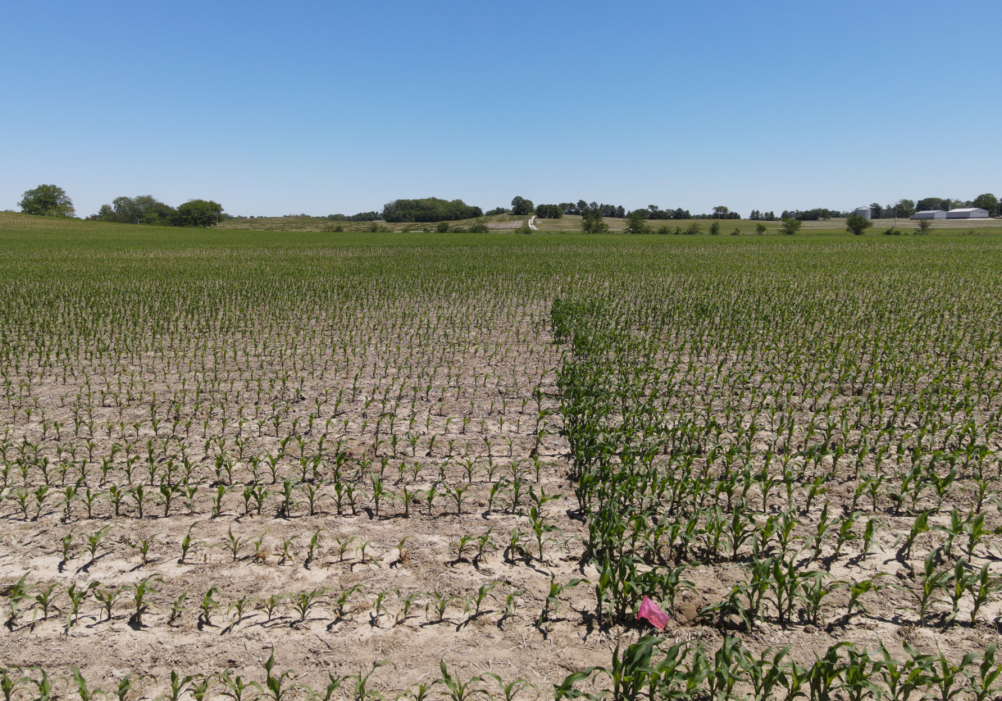
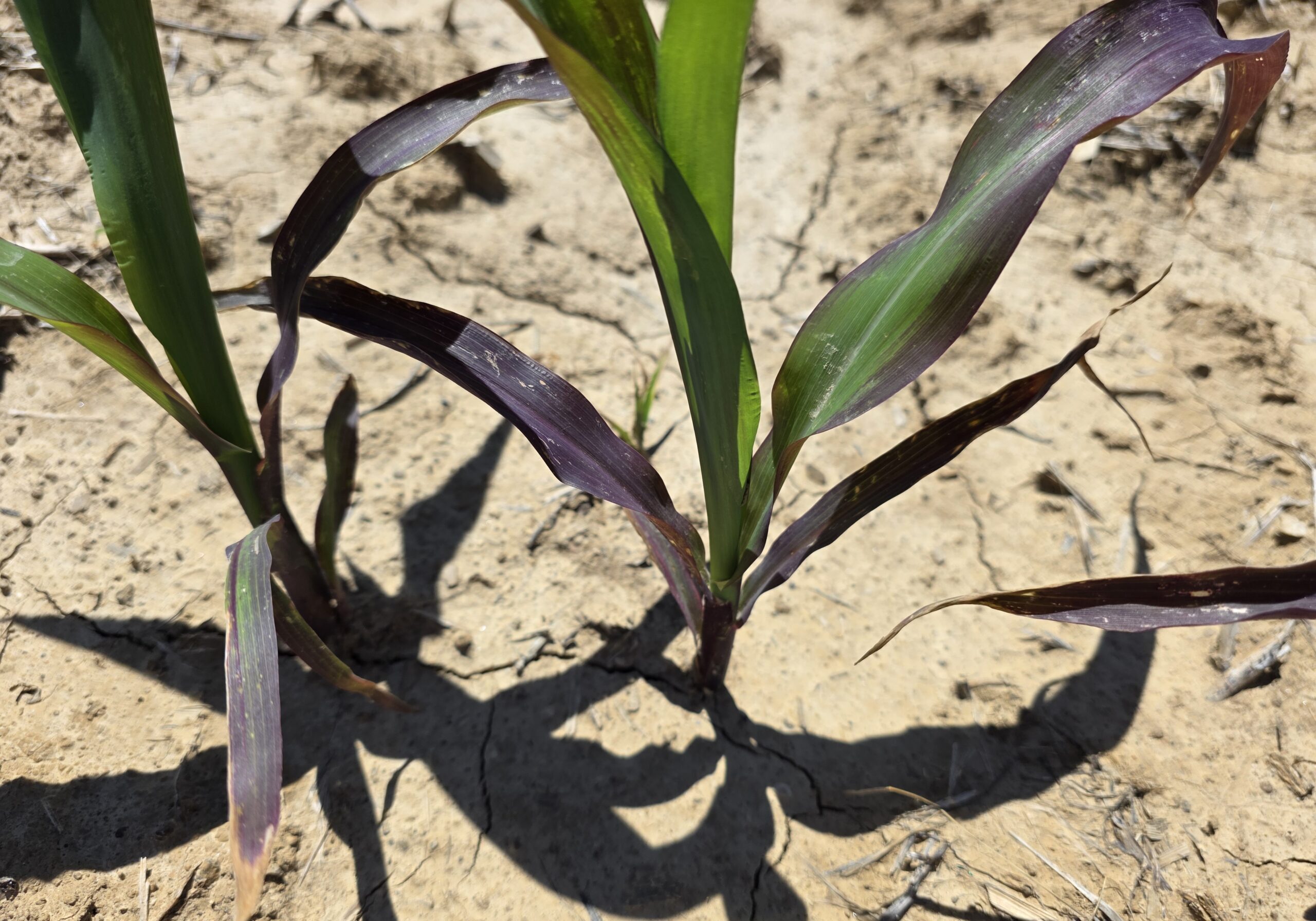
While soil testing defines potential, tissue testing defines performance. Tissue analysis measures nutrient concentrations directly within plant tissue, typically leaf or stalk samples. It provides real-time feedback on:
- Nutrient uptake efficiency
- Hidden deficiencies
- Antagonisms between nutrients
- Environmental stress impacts on nutrient flow
In-season tissue testing allows growers to adjust fertility programs while the crop is still able to respond.
Geography and Its Impact on Testing Strategy
Soil and tissue testing protocols vary significantly across U.S. geography due to differences in:
- Climate
- Soil parent material
- Crop systems
- Rainfall patterns
- Temperature regimes
Northern U.S. (Corn Belt, Upper Midwest)
- Higher organic matter soils
- Strong response to nitrogen and sulfur management
- Soil testing typically every 2–3 years
Southern U.S.
- Faster nutrient depletion
- Acidification risk higher
- More frequent liming programs required
Western U.S.
- Irrigated systems dominate
- Salinity and sodium management are key
- Specialized soil testing for salts and water quality
Implication for Testing Frequency
Regions with higher rainfall or intensive cropping systems generally require:
- More frequent testing
- More in-season tissue sampling
- Greater emphasis on micronutrients
Summary
Soil and tissue testing form the backbone of modern agronomic decision-making. Soil testing establishes the nutrient framework of the field. Tissue testing validates how that framework is performing in real time.
When used together, they eliminate guesswork, reduce input waste, and improve yield consistency across variable field conditions.
For producers operating in high-efficiency systems, these tools are not optional diagnostics—they are core components of profitability management.
Companies like Monty’s Plant Food continue to emphasize that fertility programs must be adaptive. Nutrient availability, not just nutrient application, determines outcome. Soil and tissue testing provide the intelligence layer required to make that distinction actionable.
The direction of modern agriculture is clear: fewer assumptions, more data, faster correction cycles, and tighter alignment between soil conditions and plant demand.
To turn soil test data into actionable management decisions, connect with your 蒙特的代表 to build a fertility and soil testing program aligned with your operation. A well-structured approach transforms soil analysis from a snapshot of conditions into a practical tool for improving yield potential and strengthening return on investment.
References (Educational and Industry Sources)
- USDA Natural Resources Conservation Service (NRCS) Soil Health and Soil Testing Resources
- University Extension Systems (Cornell, Iowa State, University of Illinois, Ohio State) Soil Fertility Publications
- Land Grant University Agronomy Research Summaries (Midwest and Southern U.S.)
- American Society of Agronomy (ASA) Soil Fertility and Nutrient Management Guidelines
- Soil Science Society of America (SSSA) Educational Materials
- Standard Agricultural Soil Testing Laboratory Protocols (Midwest Labs, Waters Agricultural Labs methodologies)
- Monty’s Plant Food internal agronomy and product application principles (www.montysplantfood.com)

 English
  Arabic
  Bengali
  Chinese
  French
  German
  Hindi
Hindi  Indonesian
  Portuguese
  Russian
  Spanish