Soil Testing in Modern Agriculture: A Strategic Framework for Yield, Efficiency, and Profitability

Introduction – The Importance of Soil Testing
Soil testing is no longer a supplemental agronomic practice—it is the foundation of modern crop production strategy. In a production environment defined by tight margins, volatile input costs, and increasing yield expectations, the ability to accurately quantify what is happening beneath the soil surface determines profitability before a single seed is planted.
At its core, soil testing translates the complexity of soil systems into actionable data. It reveals nutrient availability, soil chemistry constraints, and structural limitations that directly influence crop performance. Without it, fertility programs rely on assumption. With it, they become engineered systems.
For producers across the continental United States—whether managing corn in Iowa, wheat in Kansas, cotton in Texas, or specialty crops in California—soil testing is the first decision point in the season. Everything else builds from it.
Monty’s Plant Food operates within this same principle: precision before application. Soil testing is the control mechanism that ensures every input has intent.
Where to Begin: An Introduction Into Soil Testing
Soil testing begins with a fundamental shift in mindset: soil is not uniform, and fertility is not static. Fields vary in texture, biology, compaction, organic matter, and nutrient cycling. A single composite sample is not a guarantee of uniformity—it is a calculated approximation.
A proper soil test begins with:
- Field stratification (zones, management history, soil types)
- Consistent sampling methodology
- Representative sample collection
- Reliable laboratory analysis
Why Soil Testing Matters in Modern Agriculture
Modern agriculture has moved beyond blanket fertilizer applications. The emergence of precision agriculture, variable rate technology, and biological soil amendments has made soil testing essential infrastructure.
Key drivers include:
- Rising fertilizer costs (nitrogen, phosphorus, potassium volatility)
- Increased yield targets per acre
- Environmental compliance and nutrient loss reduction
- Soil degradation and long-term productivity concerns
Soil testing provides the baseline from which all fertility decisions are made. Without it, producers operate blind to nutrient imbalances that may already be limiting yield potential.
The Cost of Growing Without Soil Testing
Skipping soil testing is not a cost-saving decision—it is a risk transfer decision. It transfers risk from managed input strategy to unpredictable yield outcomes.
Common consequences include:
- Over-application of fertilizer (wasted input cost)
- Under-application of key nutrients (yield loss)
- Misdiagnosis of soil pH issues
- Inefficient use of nitrogen
- Reduced nutrient use efficiency (NUE)
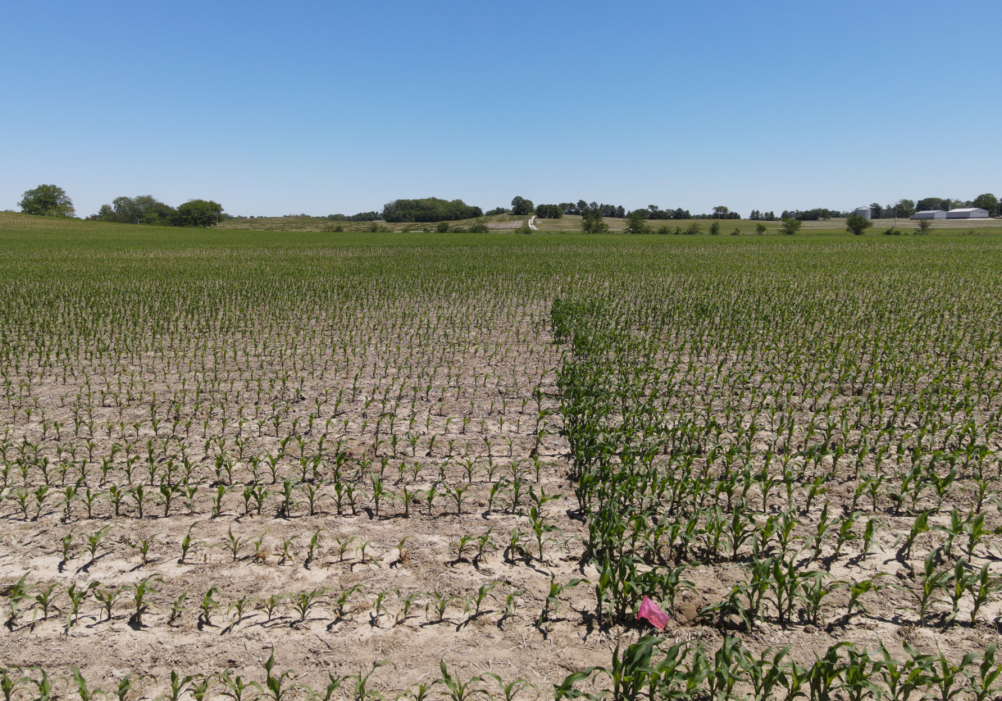
A conservative estimate across Midwest row crop systems suggests yield losses of 5–20 bushels per acre in corn when fertility is misaligned. At current market values, that margin loss exceeds the cost of soil testing by multiple factors.
Soil testing is inexpensive insurance against systemic inefficiency.
What Soil Testing Measures
Soil testing evaluates three primary domains of soil function:
1. Chemical Properties
Chemical indicators define nutrient availability and soil reaction.
Key measurements include:
- pH
- Macronutrients (N, P, K)
- Secondary nutrients (Ca, Mg, S)
- Micronutrients (Zn, Mn, Fe, Cu, B)
- Cation exchange capacity (CEC)
These parameters determine whether nutrients are accessible or locked within the soil matrix.
2. Physical Properties
Physical soil characteristics govern water movement, root penetration, and aeration.
Key indicators:
- Texture (sand, silt, clay composition)
- Bulk density
- Infiltration rate
- Compaction layers
Physical constraints often limit yield even when fertility levels appear adequate.
3. Biological Properties
Biology drives nutrient cycling, organic matter decomposition, and soil resilience.
Key indicators:
- Microbial activity
- Organic matter content
- Soil respiration
- Enzyme activity (in advanced tests)
Biological function is increasingly recognized as a key driver of nutrient efficiency.
The Role of Soil Testing in Modern Farming Systems
Precision Agriculture Optimization
Soil testing enables zone-based fertility mapping and variable rate application (VRA). This ensures nutrients are applied where they are needed, not uniformly across variable landscapes.
Input Optimization
Fertilizer efficiency improves when soil constraints are known. Soil testing allows producers to:
- Reduce over-application
- Target nutrient deficiencies
- Improve return on investment per acre
Risk Management
Soil testing reduces uncertainty in crop planning. It stabilizes input decisions and minimizes yield variability caused by unseen nutrient constraints.
Soil Testing Best Practices
Accurate results depend on sampling integrity. Poor sampling technique is the most common source of misdiagnosis.
Number of Samples
- 1 composite sample per 10–20 acres (general guideline)
- Smaller grids for precision agriculture zones
Sampling Depth
- Standard: 0–6 inches (no-till systems may adjust)
- Subsoil sampling (6–24 inches) for nitrate evaluation
Sampling Patterns
- Zig-zag or grid sampling
- Consistent spatial distribution across management zones
Avoiding Contaminated Areas
Avoid:
- Field edges
- Old manure piles
- Burn piles
- Equipment loading zones
Where NOT to Sample
- Wet spots
- Eroded gullies
- Fertilizer bands
- Recently limed areas (unless targeted study)
Proper Handling
- Clean tools between fields
- Use plastic buckets (not galvanized metal)
- Air dry samples if delayed
- Ship promptly to laboratory
Types of Soil Tests
Routine Test
A standard agronomic soil test typically includes:
- pH
- P, K, Ca, Mg
- Organic matter
- CEC estimation
This is the foundation of fertility planning.
Complete Soil Health Test
More advanced testing includes:
- Biological activity metrics
- Aggregate stability
- Active carbon
- Respiration indicators
These tests are often used in regenerative and reduced-tillage systems.
Specialized Tests
Used for specific concerns:
- Nitrate testing (in-season nitrogen tracking)
- Salinity (EC levels)
- Micronutrient panels
- Compaction and infiltration diagnostics
Interpreting Soil Test Results
Soil test interpretation is where data becomes decision-making.
Understanding Key Metrics
pH

- Ideal range: 6.0–7.0 for most row crops
- Controls nutrient availability
- Impacts microbial activity
Nutrient Levels
Reported as lb/acre or ppm.
Interpretation depends on:
- Crop removal rates
- Yield goals
- Soil type and buffering capacity
Base Saturation
Represents the percentage of soil exchange sites occupied by Ca, Mg, K, and Na.
Key insight:
- High Ca improves structure
- Excess K can suppress Mg uptake
CEC (Cation Exchange Capacity)

- Measures soil’s ability to hold nutrients
- High CEC = greater nutrient buffering
- Low CEC = greater leaching risk
Turning Data Into Action
Fertility Planning
Soil test results directly guide:
- Lime applications
- Fertilizer blend selection
- Nutrient timing strategies
Variable Rate Application
Soil data integrates into:
- Prescription maps
- Zone management
- Site-specific nutrient delivery
This is where soil testing transitions from analysis to execution.
Long-term Soil Building
Organic Matter Changes
Organic matter improves:
- Water holding capacity
- Nutrient retention
- Biological activity
Even small increases have compounding effects over time.
pH Shifts
pH drift occurs due to:
- Nitrogen fertilizer use
- Crop removal
- Rainfall leaching
Monitoring prevents long-term fertility imbalance.
Nutrient Depletion or Buildup
Without testing, nutrients often trend toward imbalance:
- Phosphorus buildup in livestock regions
- Potassium depletion in high-yield systems
Frequency of Soil Testing
General Guidelines
- Every 2–3 years (minimum baseline)
- Annually in high-value or intensively managed systems
Early Planting Season
Used for:
- Lime planning
- Base fertilizer decisions
In-Season
Used for:
- Nitrogen management
- Tissue test correlation
End of Season
Used for:
- Yield analysis
- Next-year planning
Economics of Soil Testing
Cost vs Return
Typical soil test cost: low per acre relative to fertilizer spend.
Return drivers:
- Reduced over-application
- Improved yield consistency
- Lower nutrient waste
Example ROI Drivers
- Avoiding 20 lb excess nitrogen per acre
- Preventing yield loss from pH mismanagement
- Improving phosphorus efficiency
Even conservative estimates show soil testing pays for itself multiple times over.
Positioning Soil Testing as a Strategic Advantage
Strategic Tool
Soil testing is not reactive—it is predictive. It informs decisions before planting begins.
Continuous Improvement System
Repeated testing builds a multi-year dataset:
- Tracks soil trends
- Measures management impact
- Refines fertility efficiency
Foundation for Tissue Testing
Soil testing establishes baseline availability. Tissue testing confirms uptake. Together, they form a closed-loop system of nutrient management.
Deficiencies from Results
Types of Deficiencies
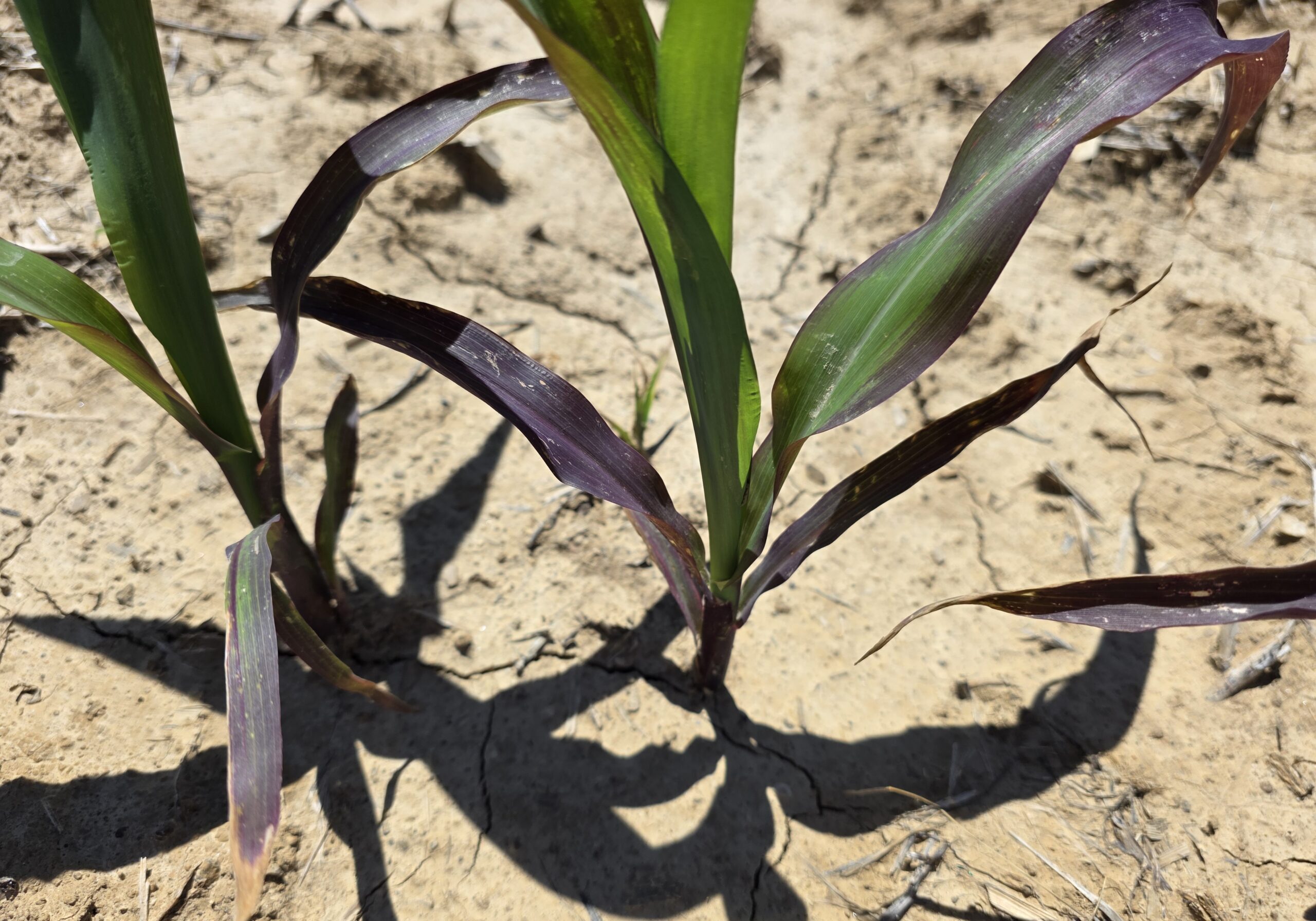
- Macronutrient deficiencies (N, P, K)
- Secondary nutrient deficiencies (Ca, Mg, S)
- Micronutrient deficiencies (Zn, Mn, B, Fe)
Solutions to Address Deficiencies
- Soil-applied fertilizers
- Foliar feeding programs
- pH correction (lime or acidification)
- Improved nutrient placement strategies
How Monty’s Plant Food Helps Address Soil Deficiencies
Monty’s Plant Food products are designed to complement soil test results by improving nutrient availability and plant uptake efficiency rather than simply increasing nutrient load.
Key functional roles include:
- Enhancing nutrient mobility in the soil profile
- Supporting microbial activity linked to nutrient cycling
- Improving root uptake efficiency under stress conditions
- Increasing responsiveness of applied fertility programs
In practical terms, when soil tests identify marginal availability—especially in phosphorus, potassium, or micronutrient-limited environments—liquid biological enhancement tools can improve utilization efficiency of existing soil nutrients.
Monty’s approach aligns with a broader agronomic shift: maximizing what is already in the soil before increasing synthetic input dependence.
Does Geography Impact Soil Testing?
Yes. Geography significantly influences both test selection and timing.
Corn Belt (IA, IL, IN, OH)
- High focus on P and K management
- Regular pH correction with lime
- Heavy reliance on grid sampling in precision systems
Great Plains (KS, NE, Dakotas)
- Nitrogen and moisture interaction critical
- Organic matter often lower
- Subsoil nitrate testing important
Southeast (GA, AL, MS)
- Strong pH buffering issues (acid soils)
- Micronutrient deficiencies more common
- Higher rainfall increases leaching risk
Western US (CA, CO, WA)
- Salinity and irrigation water quality concerns
- Specialty crop nutrient precision required
- Higher reliance on advanced soil health testing
Timing and test type must match regional constraints. Soil testing is not universal in application—it is site-specific by design.
Summary
Soil testing is the structural backbone of modern agronomy. It defines how efficiently nutrients are used, how effectively yields are protected, and how consistently farms perform across seasons.
Producers who integrate soil testing into their operational framework gain three advantages:
- Reduced input waste
- Improved yield stability
- Long-term soil health improvement
When combined with complementary technologies—such as tissue testing, precision application systems, and biological fertility solutions—soil testing becomes more than a diagnostic tool. It becomes a management system.
Monty’s Plant Food Company operates within that system philosophy: efficient nutrition is not about more input, but smarter input. Soil testing is where that intelligence begins.
To move from data to decisions, contact your Monty’s Plant Food representative to develop a soil testing and fertility plan tailored to your operation. The right strategy turns soil testing into a clear driver of yield potential and stronger ROI.
References (Educational & Agricultural Sources)
- USDA Natural Resources Conservation Service (NRCS) Soil Health Division
- Extension services from land-grant universities (Iowa State University, University of Illinois, Purdue University, Ohio State University)
- Soil Science Society of America (SSSA) publications
- USDA Economic Research Service fertilizer use reports
- Agronomic research literature on cation exchange capacity, soil pH dynamics, and nutrient cycling
- FAO (Food and Agriculture Organization) soil management resources
- Monty’s Plant Food Company agronomic and product application frameworks (www.montysplantfood.com)
 English
  Arabic
  Bengali
  Chinese
  French
  German
  Hindi
Hindi  Indonesian
  Portuguese
  Russian
  Spanish