Understanding the Detrimental Effects of Soil Salinity: Impacts and Solutions
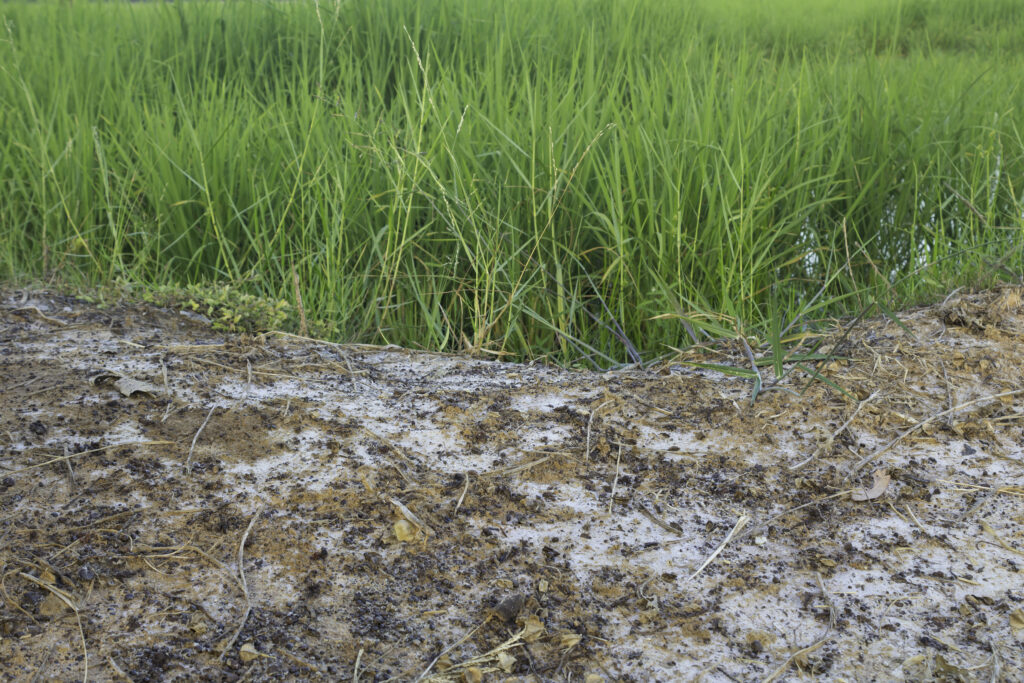
Soil salinity, the accumulation of soluble salts in soil, poses a significant threat to agricultural productivity and environmental sustainability worldwide. While salts are naturally occurring compounds, human activities such as irrigation, improper soil management, and industrial processes can exacerbate soil salinity. In this article, we will delve into the negative impacts of salt on soil health, plant growth, and ecosystem functioning. By understanding these effects, we can explore strategies to mitigate soil salinity and promote sustainable land management practices.
Negative Impacts of Salt on Soil:
1. Reduced Water Infiltration and Soil Structure Degradation
- Salts present in soil can lead to soil structure deterioration by causing soil particles to bind together, resulting in reduced water infiltration rates.
- Increased salinity can also lead to soil crusting, further limiting water penetration into the soil profile.
2. Waterlogging and Soil Sodicity:
- High salt concentrations can induce waterlogging by raising the soil’s osmotic potential, inhibiting water uptake by plants.
- Sodium ions associated with certain salts, such as sodium chloride (NaCl), can contribute to soil sodicity, leading to soil dispersion and poor soil structure.
3. Nutrient Imbalance and Toxicity:
- Excessive salt levels can disrupt the balance of essential nutrients in soil, impairing nutrient uptake by plants.
- Certain salts, such as sodium and chloride ions, can accumulate in plant tissues at toxic levels, inhibiting plant growth and productivity.
4. Osmotic Stress and Reduced Crop Yields:
- Salinity-induced osmotic stress restricts water uptake by plant roots, leading to dehydration and reduced cell expansion.
- Osmotic stress can significantly impair crop growth and development, ultimately resulting in reduced yields and economic losses.
5. Decreased Microbial Activity and Soil Fertility:
- High salt concentrations can inhibit microbial activity in the soil, disrupting nutrient cycling processes and reducing soil fertility.
- Microbial communities essential for soil health and nutrient cycling may decline in saline environments, further exacerbating soil degradation.
6. Erosion and Land Degradation:
- Saline soils are often prone to erosion due to their reduced stability and weakened soil structure.
- Erosion exacerbates soil salinity by exposing deeper soil layers containing soluble salts, leading to further land degradation and loss of arable land.
7. Negative Impact on Biodiversity and Ecosystem Services:
- Soil salinity can reduce plant species diversity and alter ecosystem dynamics, leading to shifts in species composition and ecosystem function.
- Declines in biodiversity can have cascading effects on ecosystem services such as pollination, nutrient cycling, and soil formation.
8. Long-term Degradation and Desertification:
- Persistent soil salinity can lead to long-term land degradation and desertification, rendering land unsuitable for agricultural production or other land uses.
- Desertification processes driven by soil salinity can have far-reaching environmental and socio-economic consequences, including loss of livelihoods and displacement of populations.
Mitigation Strategies and Solutions:
1. Improving Drainage and Water Management:
- Implementing proper drainage systems can help remove excess salts from the soil profile, preventing waterlogging and soil salinization.
- Efficient water management practices, such as regulated irrigation and water-saving technologies, can help minimize salt accumulation in soils.
2. Soil Amendments and Remediation Techniques:
- Incorporating organic matter, such as compost or manure, into saline soils can improve soil structure, enhance nutrient retention, and stimulate microbial activity.
- Soil remediation techniques such as leaching with freshwater or gypsum application can help reduce soil salinity levels and restore soil fertility.
3. Crop Selection and Breeding for Salt Tolerance:
- Selecting salt-tolerant crop varieties or utilizing breeding techniques to develop crops with improved salt tolerance can help mitigate the negative effects of soil salinity on agricultural productivity.
- Rotating salt-tolerant crops with conventional crops can also help manage soil salinity while maintaining agricultural productivity.
4. Land Restoration and Rehabilitation:
- Implementing land restoration and rehabilitation projects in saline-affected areas can help reclaim degraded land and restore ecosystem function.
- Afforestation, agroforestry, and revegetation efforts can help stabilize soils, reduce erosion, and promote biodiversity in saline environments.
5. Integrated Land Management Approaches:
- Adopting integrated land management approaches that combine soil conservation, water management, and sustainable agricultural practices can help mitigate soil salinity while promoting long-term soil health and productivity.
- Collaborative efforts involving policymakers, researchers, land managers, and local communities are essential for developing and implementing effective soil salinity mitigation strategies.
Soil salinity poses significant challenges to global food security, environmental sustainability, and socioeconomic development. The negative impacts of salt on soil health, plant growth, and ecosystem functioning underscore the urgent need for proactive measures to mitigate soil salinity and promote sustainable land management practices. By implementing a combination of drainage improvement, soil remediation, crop selection, and integrated land management approaches, we can effectively address soil salinity issues and safeguard soil productivity and ecosystem resilience for future generations.
Hable con su Representante de Monty about Monty’s products y programs and learn how we can help keep you on track to your highest ROI.
References:
– Munns, R., Tester, M. (2008). Mechanisms of salinity tolerance. Annu. Rev. Plant Biol., 59, 651–681.
– Flowers, T.J., Colmer, T.D. (2008). Salinity tolerance in halophytes. New Phytologist, 179(4), 945–963.
– Rengasamy, P. (2006). World salinization with emphasis on Australia. Journal of Experimental Botany, 57(5), 1017–1023.
– Panta, S., Flowers, T.J., Lane, P., Doyle, R. (2014). Halophyte agriculture: Success stories. Environmental and Experimental Botany, 107, 71–83.
– Shabala, S., Cuin, T.A. (2008). Potassium transport and plant salt tolerance. Physiologia Plantarum, 133(4), 651–669.
– Rengasamy, P. (2010). Soil processes affecting crop production in salt-affected soils. Functional Plant Biology, 37(7), 613–620.

 English
  Arabic
  Bengali
  Chinese
  French
  German
  Hindi
Hindi  Indonesian
  Portuguese
  Russian
  Spanish