From Lab to Harvest: Monty’s Next-Level Ag Research for Sustainable Product Innovation
Introduction
In today’s competitive and environmentally conscious agricultural landscape, continuous innovation in product development is essential for achieving sustainable crop production, conserving natural resources, and improving farm economy. As a leader in sustainable soil and plant products, Monty’s Plant Food employs a multi-tiered, rigorous approach to product validation and optimization. This structured research protocol progresses from controlled laboratory conditions through greenhouse studies, small-scale trials, and large-scale farm applications. At each stage, our commitment to sustainability and efficacy ensures that products not only meet performance standards but also adapt to varying agricultural environments with minimal environmental impact.
Hierarchical Research Protocol Development
Our research protocol is built on a structured, hierarchical framework that facilitates progressive product development and validation. Starting in laboratory settings, the journey moves through greenhouse testing and small-scale trials before reaching the expansive environment of producer farms. Each stage plays a pivotal role in refining product efficacy, identifying optimal application methods, and ensuring the final formulations achieve maximum economic and environmental benefit.
In the initial laboratory phase, our primary focus is on assessing the fundamental properties of each product under controlled conditions. These studies examine the physicochemical compatibility, solubility, microbial stability, and targeted efficacy of formulations. The data gathered at this stage informs essential adjustments in formulation, preparing the product for further testing in more variable environments.
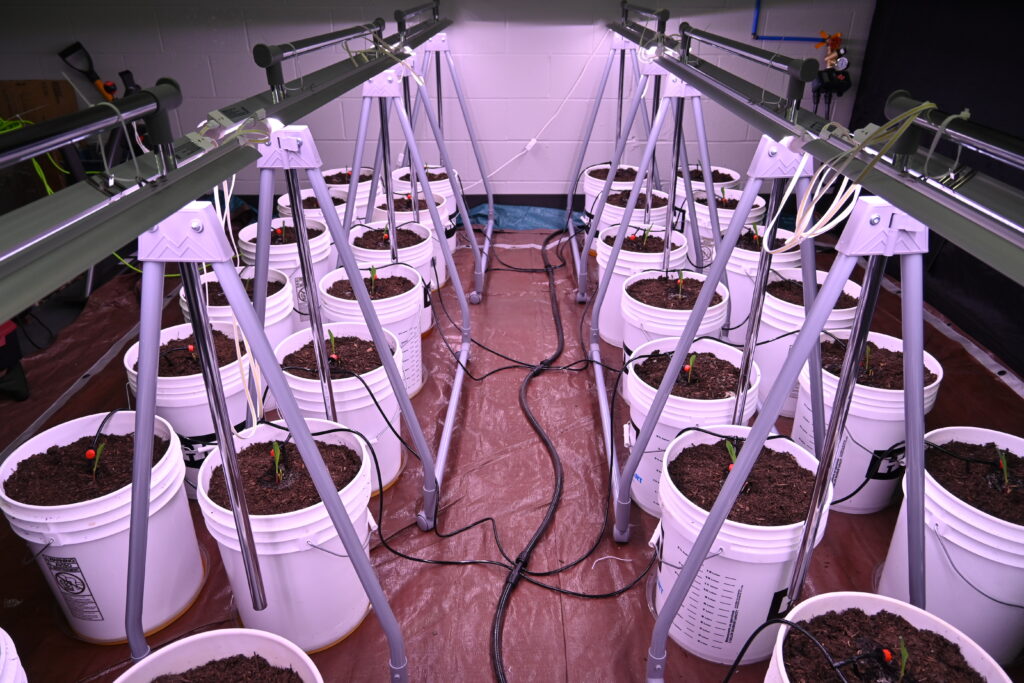
Greenhouse trials represent the next step in our protocol. These studies extend laboratory insights by simulating plant interactions within semi-controlled environments, providing valuable insights into the product’s impact on plant health, vigor, and fundamental physiological functions. Soil-free and soil-based greenhouse setups replicate varying growth conditions, allowing us to test the product’s compatibility with other agricultural inputs and to assess optimal application rates and timing. Results from the greenhouse phase will enable us to refine product performance and guide subsequent field trials.
Following greenhouse studies, our products move into small-scale, statistically controlled trials, which provide a crucial bridge to real-world applications. These trials use cross-scale soil types, crops, and environmental conditions to replicate field environments. Trials provide more extensive data on the product’s interaction with natural ecosystems through ground-truth samples, proximal sensors, and remote sensors, and they help us predict large-scale performance outcomes. Results from this phase contribute to practical recommendations for product usage and offer predictive insights into the product’s anticipated performance at a commercial scale.
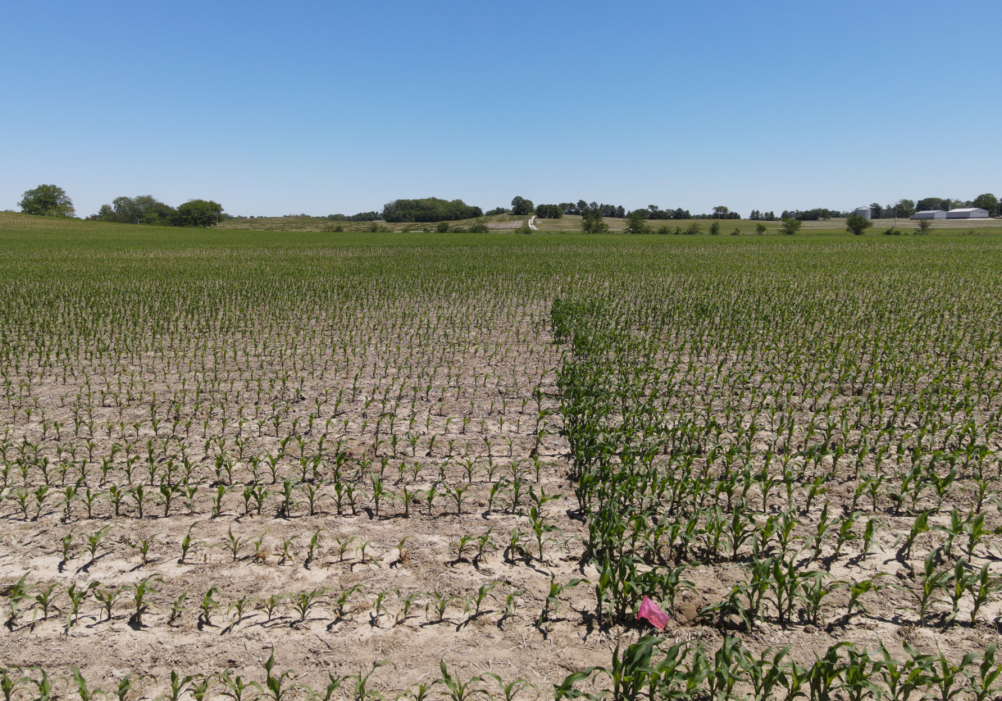
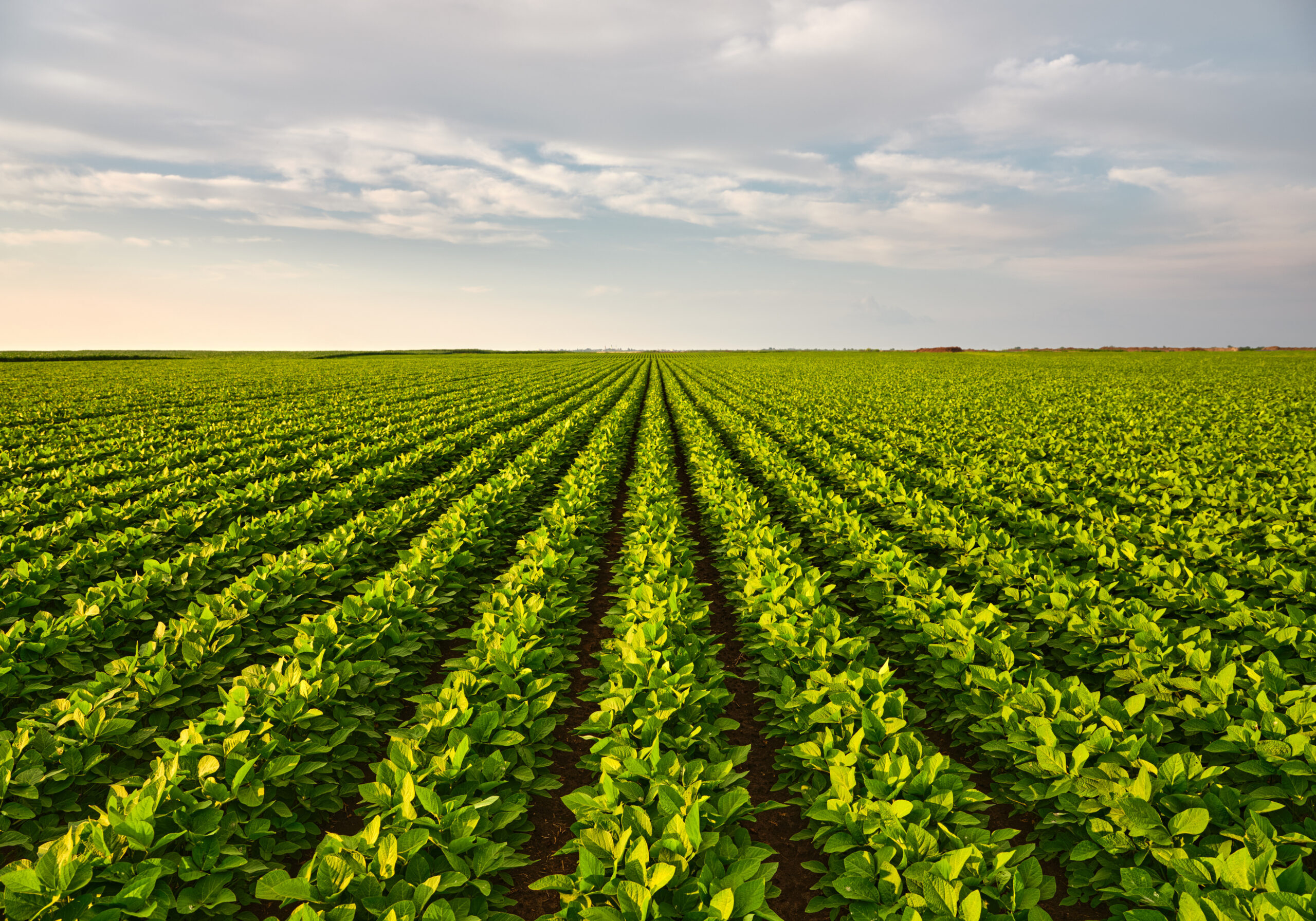
The final phase, large-scale producer farm applications, represents the ultimate test of our products in commercial agriculture. By conducting these trials in collaboration with growers across multiple regions, we gather extensive data on how the product performs in diverse real-world conditions. These trials confirm the product’s effectiveness at scale, ensuring it delivers expected yield results and environmental benefits before market introduction.
Sampling and Analysis Protocol
Comprehensive sampling and analysis of soil and plant tissue are fundamental to understanding product interactions with crops and soil. By conducting systematic soil and plant tissue sampling throughout the growing season, we can track nutrient availability and evaluate plant health indicators. This process also provides critical insights into the causes of both successful and poor performance in crop yields.
Soil sampling occurs at representative depths to capture nutrient availability profiles at various growth stages, with samples taken before planting and at key developmental phases of the crop. Soil core extractions typically occur at depths such as 0–15 cm and 15–30 cm, allowing us to monitor nutrient status and physical soil properties that influence plant health. Site selection is carefully guided by spatial variation and historical data, minimizing inconsistencies in data collection.
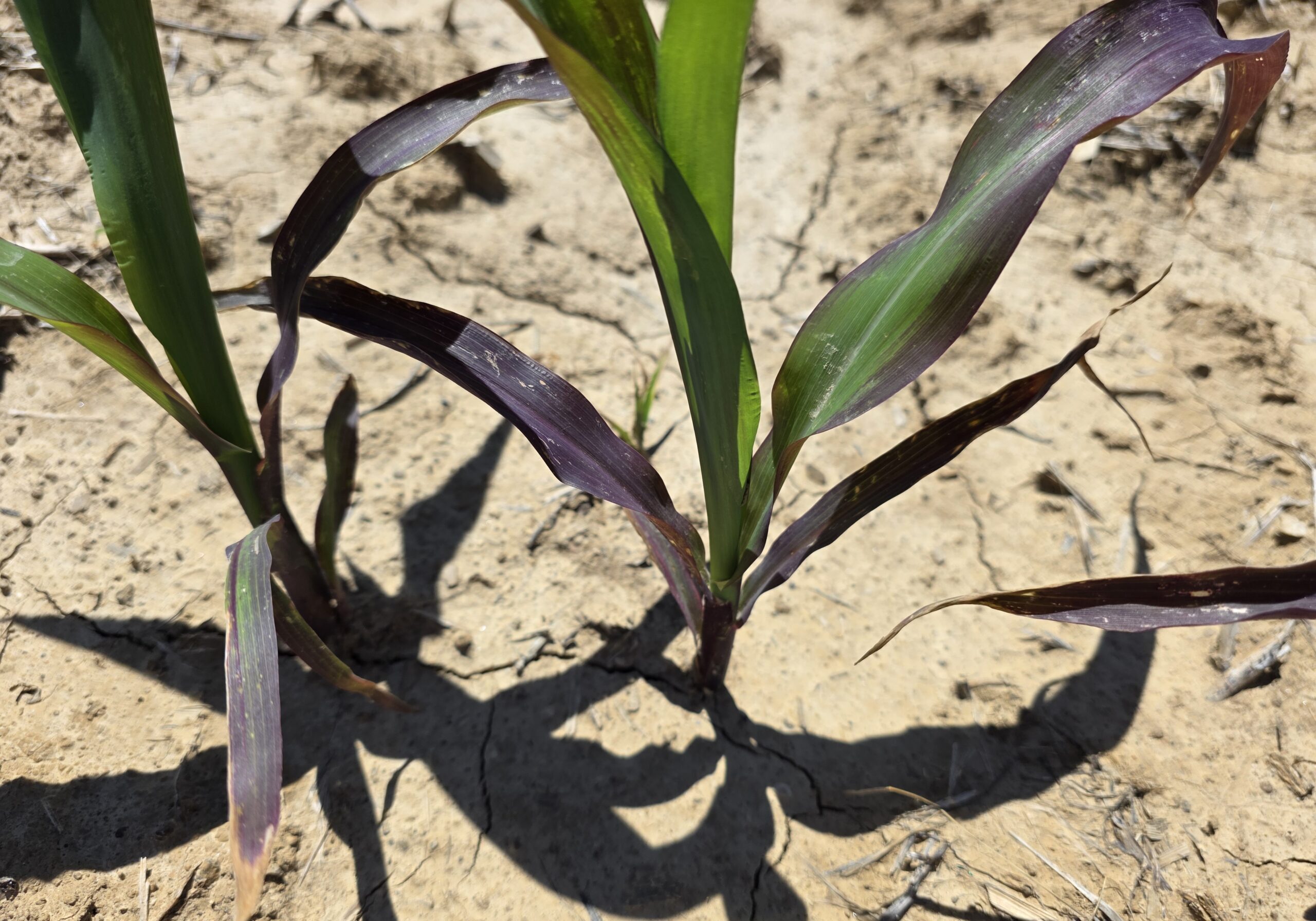
Plant tissue sampling, conducted at distinct growth phases like early vegetative and pre-reproductive stages, helps us understand nutrient uptake efficiency and provides insight into the physiological state of the plant. Leaf tissue sampling focuses on measuring nutrient concentrations, while root samples offer additional insights into microbial interactions and nutrient absorption. To ensure comparability across trials, all samples are collected from plants at similar developmental stages, which allows for more consistent and reliable data interpretation.
Proximal sensors and spectral analysis complement physical sampling by assessing biochemical and structural indicators of plant and soil health. Through spectral reflectance indices, we evaluate chlorophyll levels, moisture content, and potential stress indicators. This spectral data provides a more comprehensive view of plant health and enables us to interpret nutrient uptake efficiency in relation to yield performance.
Data Retrieval and Analysis
Data retrieval and analysis are integral components of our research process, enabling a thorough understanding of product efficacy and environmental impact. Standardized data logging practices govern data collection, and centralized databases facilitate data storage, retrieval, and analysis. Soil nutrient levels, tissue analysis results, and spectral data are collected in a systematic manner, allowing for integrated analysis across all study sites.
Our analysis utilizes advanced statistical tools, including multivariate analysis and machine learning models, to evaluate relationships between product applications, plant responses, and yield outcomes. These data analyses allow us to identify patterns and correlations that inform product refinement. By understanding how each variable affects crop performance, we can fine-tune products to maximize yield potential and maintain soil health under varied environmental conditions.
Interpretation and Knowledge Transfer
Data interpretation and knowledge transfer play essential roles in our research approach, ensuring that our findings lead to actionable insights and product improvements. To derive value from the research data, our team of experts interprets performance metrics such as yield increase, disease resistance, and drought tolerance. Through careful analysis, we identify strengths and weaknesses in each product, guiding further refinement in formulation and application.
Results from these analyses are shared with development chemists and agronomists in detailed internal reports, which serve as the basis for making targeted product adjustments. We also provide data-driven recommendations for growers, offering specific guidelines on application timing, placement, and compatibility with different crop types. This knowledge transfer process ensures that the end users of our products have the information necessary to achieve optimal results in their agricultural practices.
Our research process includes a continuous improvement cycle, wherein each new round of data informs further product development. Feedback loops allow us to refine products based on real-world performance, ensuring that our formulations continue to meet both economic and environmental standards. This process not only drives product optimization but also ensures compliance with regulatory requirements and supports sustainable agricultural practices.
Modifications and Standardization
Continuous product optimization is central to our research approach, driven by iterative feedback loops that lead to evolving formulation and application methods. This ongoing process ensures that each product meets the changing needs of the agricultural sector while remaining environmentally sustainable. Modifications are made to align with environmental and economic standards, prioritizing both productivity and sustainability across diverse agricultural regions.
By adhering to these rigorous, hierarchical research protocols, our company ensures that every product introduced to the market has undergone exhaustive testing and refinement. This structured approach enables us to balance the need for productivity with environmental responsibility, providing growers with tools that enhance yield potential, improve soil health, and promote sustainable agriculture.
Conclusion
Our structured and hierarchical approach to agricultural research and product testing ensures that each product undergoes extensive validation and refinement before reaching the market. By progressing through laboratory studies, greenhouse trials, small-scale applications, and large-scale producer farm validations, we can optimize product formulations and confirm their effectiveness under real-world conditions. This protocol allows us to deliver products that not only support high crop yields but also contribute to long-term soil health and environmental sustainability.
Talk to your Monty’s representative about Monty’s products and programs and learn how we can help keep you on track to your highest ROI.
 English
  Arabic
  Bengali
  Chinese
  French
  German
  Hindi
Hindi  Indonesian
  Portuguese
  Russian
  Spanish